Obitus & Fixed Crematorium Webcasts vs Professional Funeral Streaming
If you are arranging a funeral, you may be offered live streaming in one of two very different ways — and it helps to understand the difference before you decide.
The first is a fixed webcasting system, such as Obitus or Wesley Media, which is installed at many crematoria and, increasingly, in some churches. The second is a dedicated professional, like me, who attends the service in person and films it properly.
I'm Shaun. I provide professional funeral live streaming, videography and photography across the UK, and I think families deserve a clear, honest picture of both options — including when the built-in system is perfectly sufficient, and when it is worth bringing in a professional. This page sets that out fairly.
What a fixed crematorium or church webcast offers
Systems such as Obitus and Wesley Media are built into the venue and are booked as an add-on through your funeral director. They are convenient, well-established, and for a simple service they do a sound job. Typically they provide:
A single fixed camera, giving a set view of the catafalque, lectern and front row of mourners
A live webcast for invited viewers using a private login
An on-demand "watch again" period, usually around 28 days
A downloadable recording to keep, supplied after the service once their team has processed it
Music libraries and photo or visual tributes shown on the in-chapel screens
They are usually a low-cost option — often in the region of £60–£90, with prices set by each individual crematorium — which makes them an accessible choice for families who simply need the service streamed from the chapel.
What I provide as an attended professional
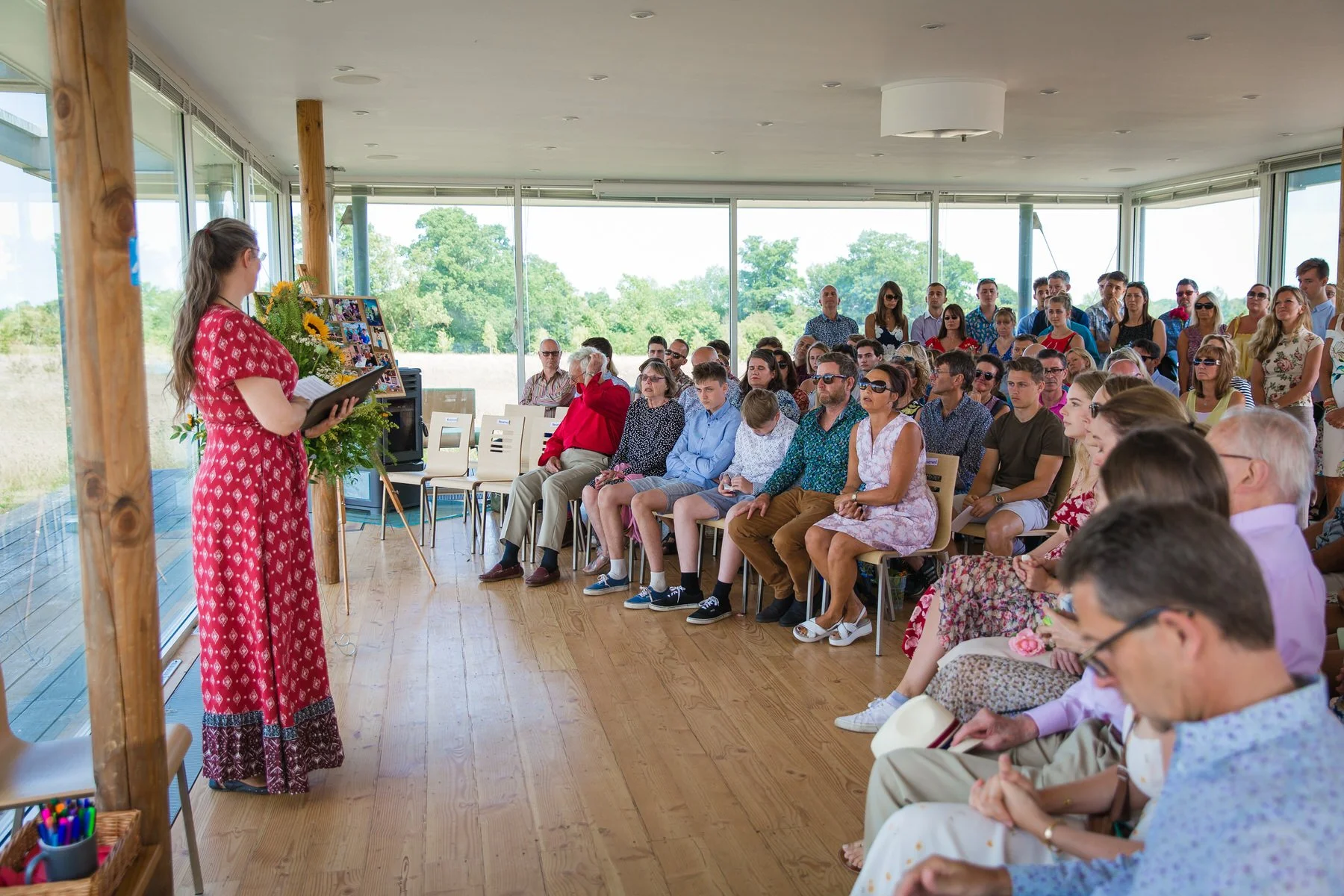
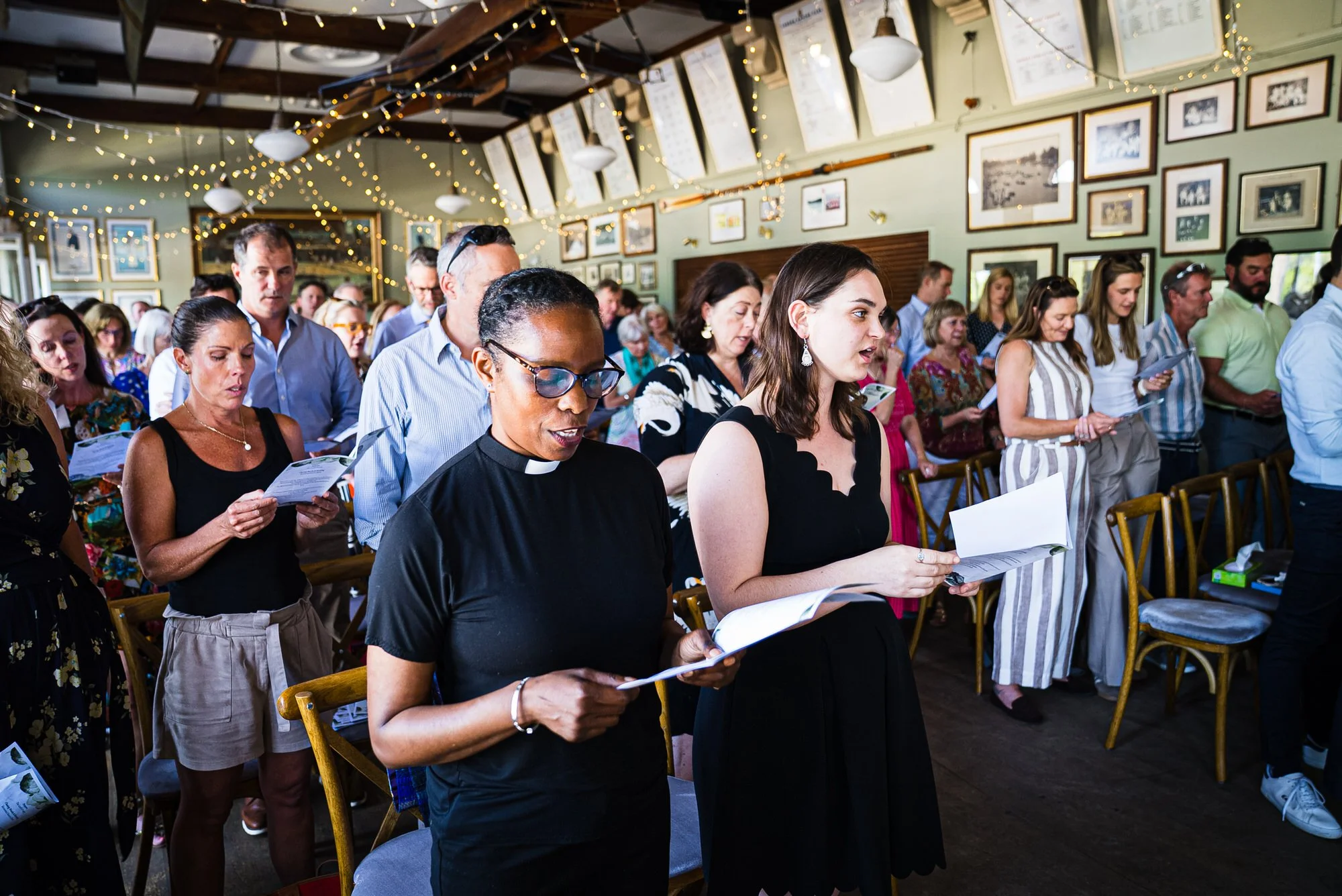
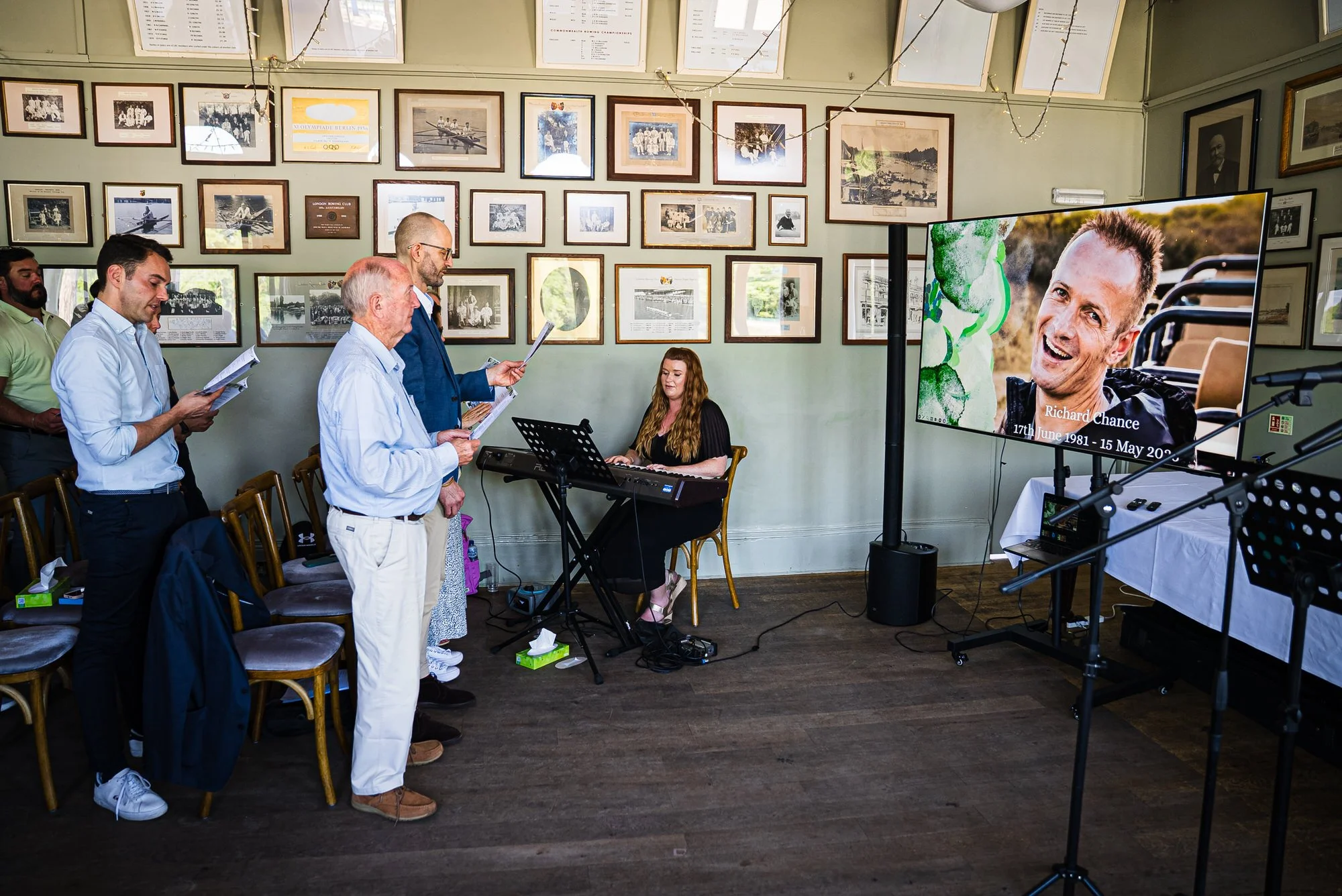
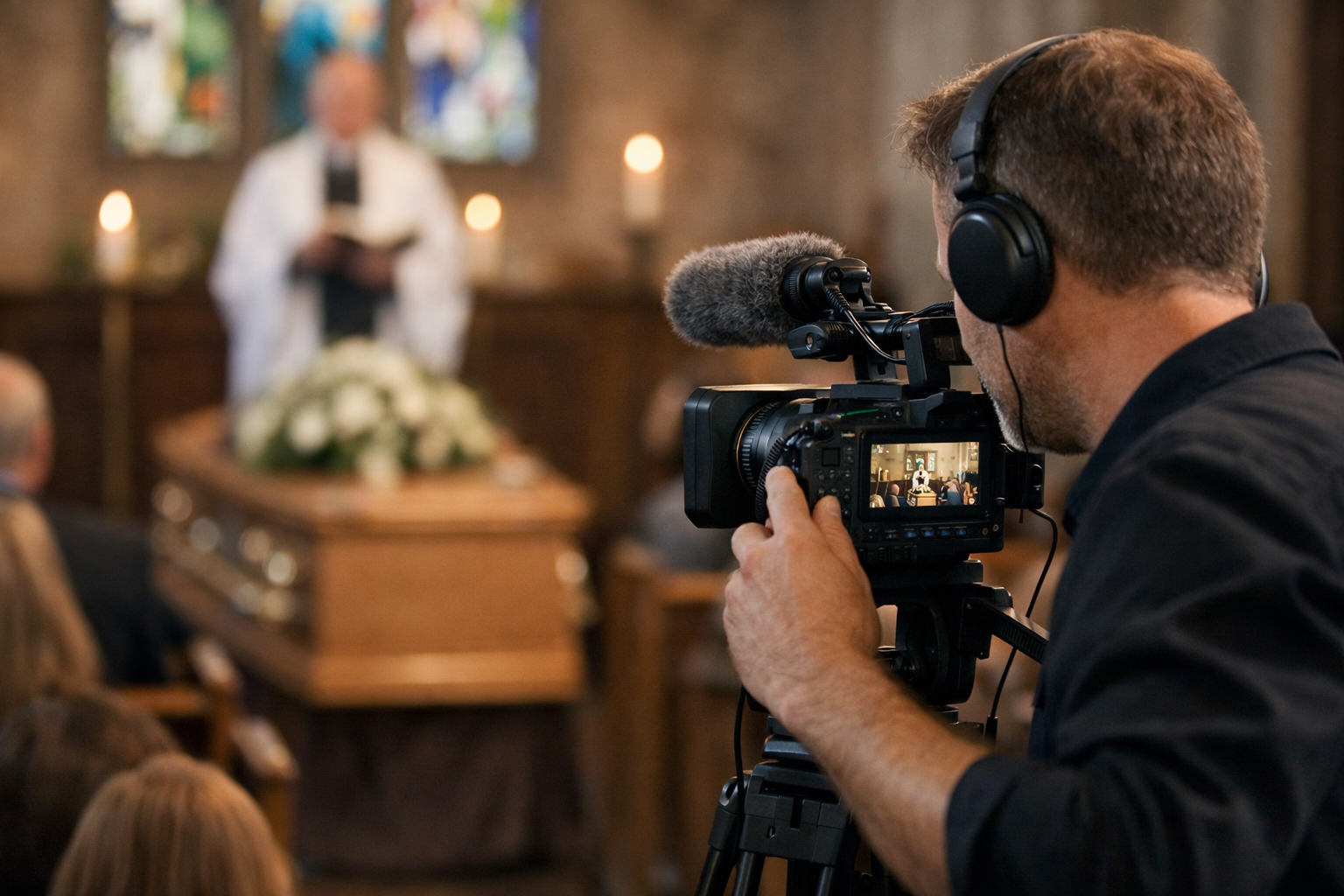
Rather than a fixed camera in one room, I attend the service in person and film it as a professional production, wherever it is held. That means:
Up to four cameras, positioned and adjusted for the specific venue and service
A real person operating the stream live, responding to what happens on the day
The ability to cut to whatever the moment calls for — a close shot of the coffin when a speaker mentions their loved one, a face in the congregation when they're named, or a wide shot revealing how many have gathered — which a single fixed camera can never do
Coverage at any venue — church, crematorium, graveside, family home, wake, or several locations across the same day
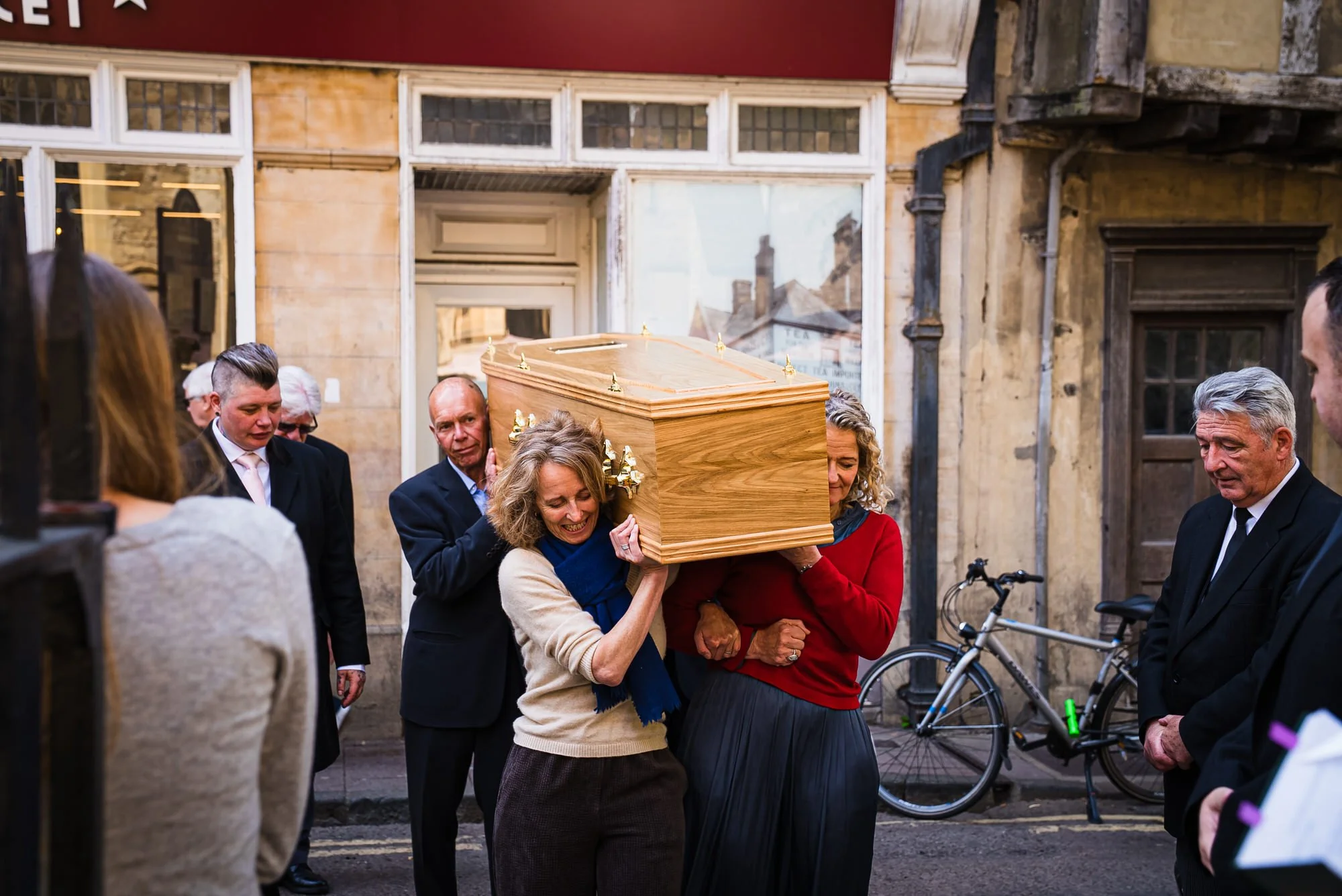
Coverage of the whole day, not just the chapel — including the hearse and cortège arriving outside, committals at the graveside, and natural or woodland burials in open ground
Professional microphones placed at every speaking point for clear, balanced audio
Bonded internet connections, so the stream stays stable even where mobile signal or venue Wi-Fi is weak
No fixed limit on viewers — I have streamed services to hundreds of devices across more than 20 countries
The recording hosted online for 3 months, plus a downloadable copy to keep
The real difference, though, is how it feels to watch. A fixed camera sits back from the room and gives a single distant view, so from home you mostly see the backs of people's heads and only whoever is speaking. Because I'm there directing live across several angles, I can get close in and follow the service as it happens — so family watching from afar feel they are in the room with everyone else, rather than looking on from the back. It's the difference between a recording of an event and a genuine record of the day.
| Fixed webcast (e.g. Obitus, Wesley Media) | My professional service | |
|---|---|---|
| Cameras | One fixed camera | Up to four cameras, positioned for the venue |
| Operator | Unmanned / automated | I attend and run the stream in person |
| Venues | Only where the system is installed | Any venue, indoors or outdoors, including several in one day |
| View | Set angle (catafalque, lectern, front row) | Framed and adjusted live to capture the whole service |
| Viewers | Up to around 150 (more may incur a charge) | No fixed limit — streamed worldwide |
| Watch again | Online for around 28 days | Hosted online for 3 months |
| Recording | Edited copy ready in about 2–3 working days | Full recording available immediately after the service |
| Booking | Through the funeral director only | Directly with me, seven days a week |
| Typical cost | Low-cost add-on (set by the crematorium) | A professional service, from £650 |
See it in practice
Here are two real services I have streamed — both showing coverage a single fixed camera could never have provided.
A three-camera Church of England service — Kirkby Lonsdale, Cumbria
This service shows exactly why a fixed camera isn't always enough. The coffin rested in a gated area set behind the speaking area — a spot most of the congregation in the church couldn't even see clearly, surrounded by a choir who sang throughout. A built-in chapel camera would simply have missed it. So I added a third camera dedicated to that area, alongside a wide view of the room and a close angle on the celebrant, meaning family watching online could see the coffin, the choir and the full atmosphere of the farewell throughout. It's a clear example of assessing each venue in advance and adapting the setup to the church, rather than being fixed to one viewpoint.
A two-camera Catholic Mass — Denham, near Uxbridge
A Catholic funeral Mass I live streamed at the Church of the Most Holy Name in Denham, near Uxbridge, led on the day by Father Theo. With a discreet two-camera setup I covered the complete Mass — readings, personal tributes, communion and an exceptional solo singer — and friends and family joined live from 13 countries, around 70 people in all. A fixed chapel webcast, capped and unmanned, could not have brought that worldwide congregation into the service the same way.
When a fixed webcast is the right choice
I would always be honest about this: if the funeral is a straightforward service held entirely in a crematorium chapel, the family's budget is a priority, and the main aim is simply to let a few people watch live or catch up within a month, then the built-in Obitus or Wesley webcast may be all you need. There is no sense paying for more than the occasion calls for.
When a professional service is worth it
A dedicated professional is the better choice when the day is more than a single fixed camera can capture, for example:
The service is in a church, at a graveside or natural burial, or moves between more than one venue — including the hearse arriving and the committal outdoors
You want full, considered coverage rather than one unchanging angle
Family and friends overseas will want to watch, both live and for far longer than 28 days afterwards
You want a lasting, high-quality film of the day to keep and share for years
The venue has awkward sightlines, or weak signal that an automated system can struggle with
The funeral reflects cultural or faith traditions, music and participation that deserve to be captured in full
In short, a fixed webcast records that a service happened. A professional service captures the service itself — properly, completely, and in a way the family can treasure.
Check Availability for Your Funeral
To arrange funeral live streaming, funeral videography, funeral photography or audiovisual support, call or text me with the date, time and venue.
I’ll confirm availability, discuss what you need and send a clear quote.
Call or text 07772 509101
Available seven days a week, 9am–10pm.